The Benefits of Fresh Hydroponic Barley Fodder for Horses
Fresh hydroponic barley fodder can be an extremely valuable nutritional tool in equine feeding when used properly as part of a balanced diet.
What Is Fresh Hydroponic Barley Fodder?
It is a living feed produced from barley grain germinated in a controlled environment, typically over a few days, until it forms a dense mat made up of roots, sprouted seed, green shoots, and tender leaves. The horse consumes the entire mat.
This is especially valuable because the horse receives not only fresh plant material, but also natural moisture, enzymes, bioactive compounds, and a highly palatable feed source.
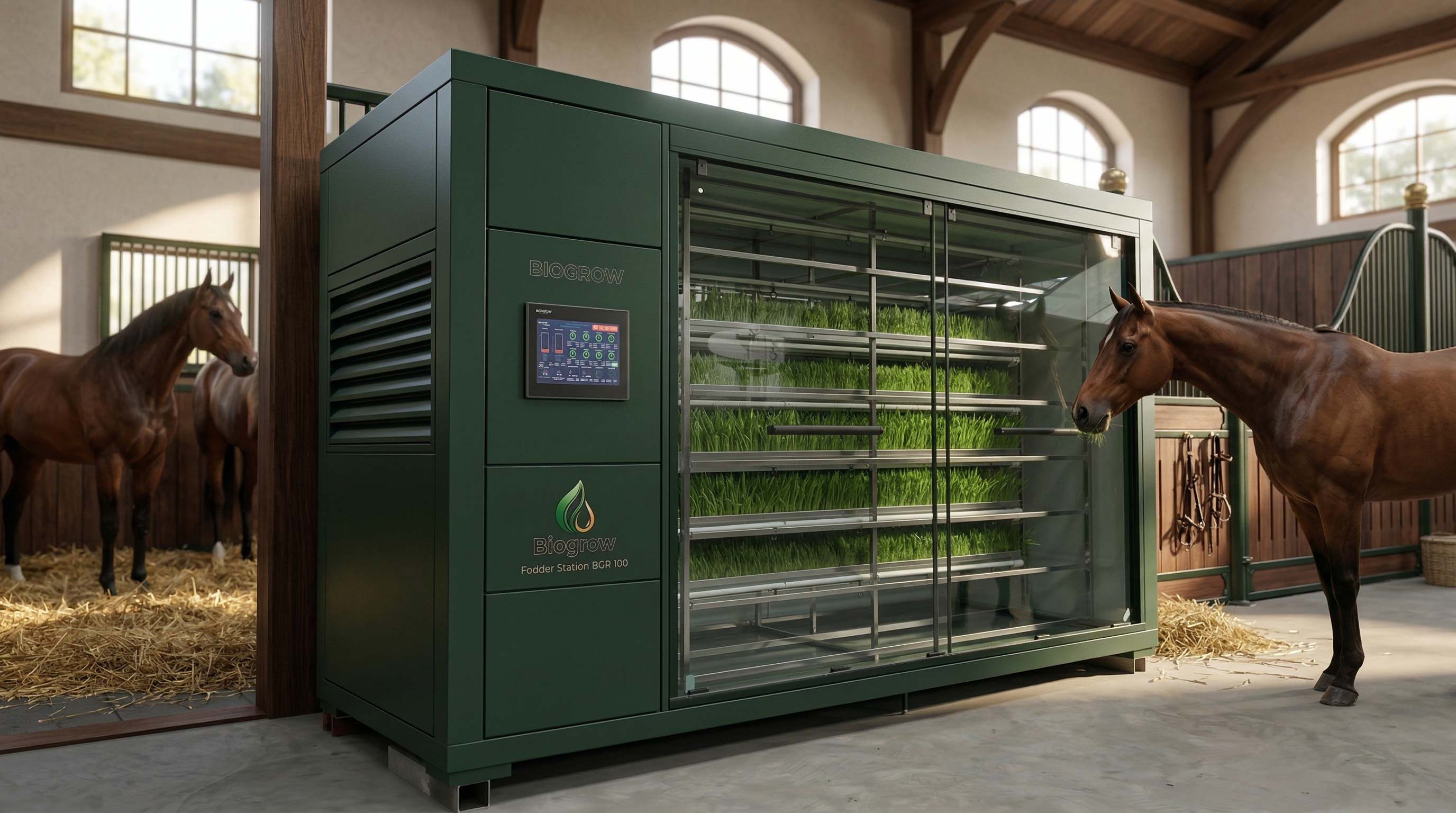
High Palatability
- Fresh & Appealing: Most horses find fresh hydroponic barley fodder highly appealing.
- Voluntary Intake: Its fresh aroma, tender texture, and mild taste encourage voluntary intake.
Natural Moisture Content
- High Hydration: Contains a high percentage of water, supporting hydration, digestion, and thermoregulation.
- Heat Stress Relief: Especially useful for horses in hot climates.
Excellent Digestibility
- Enzymatic Activity: Transforms the grain's reserves for optimal nutrient absorption.
- Gentle on Digestion: This process makes the feed gentler on the digestive system than hard concentrates.
Supports Digestive Function
- Tender Fiber: Provides tender fiber, young plant structure, and biological activity.
- Natural Buffer: Stimulates chewing and saliva production, acting as a natural buffer.
Better Gut Health
- Stable Environment: Supports a more stable digestive environment.
- Improved Utilization: Translates into better nutrient utilization, improved condition, and less digestive stress.
Vitamins & Enzymes
- Seed Activation: The germination process activates the seed.
- Natural Antioxidants: Provides natural vitamins and antioxidants for immune function, vitality, and coat quality.
Valuable for Performance
- Feed Acceptance: Improves feed acceptance.
- Digestive Comfort: Provides hydration and supports digestive comfort for sport and working horses under high demand.
Benefits for Seniors
- Soft Texture: Its soft and tender texture makes it easy to consume.
- Maintains Quality of Life: A very attractive option to help older horses with worn dentition maintain condition.
Supports Appearance
- Visible Results: Improved digestion and hydration result in a shinier coat and better muscle cover.
- Overall Condition: Improves overall body condition and promotes a better attitude.
The Science of Precision
Advanced hydroponic technology transforms basic grain into a highly digestible superfood, ensuring optimal nutrition for your horses.
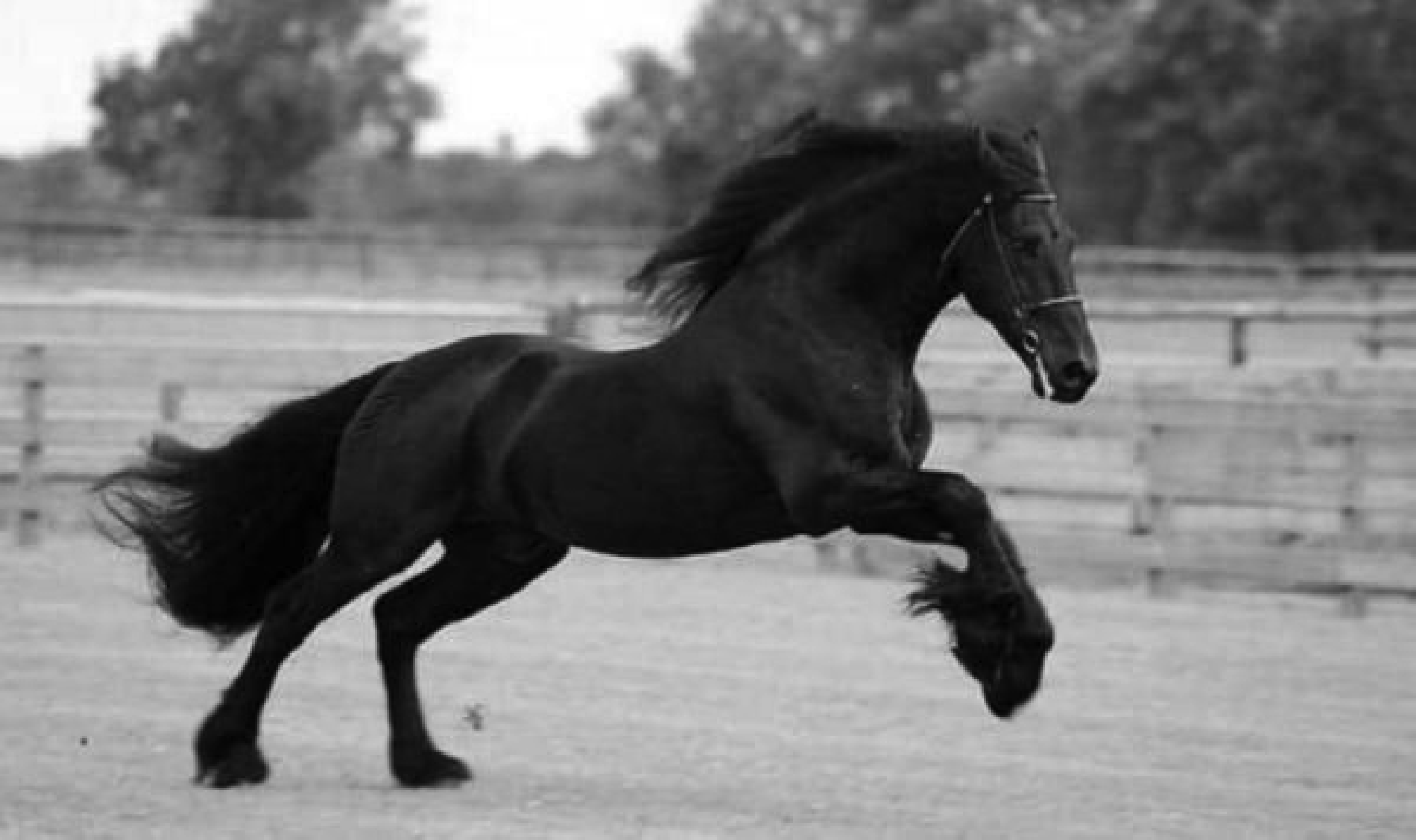
Complete Nutritional Profile
Rich in essential amino acids like Lysine, and vital vitamins (A, C, E, B-complex). Enzymatic activation unlocks 100% of minerals for absorption.
Read More
High Digestibility
Achieves 80-90% digestibility rate, surpassing traditional feeds. Live enzymes improve the digestion of the entire ration, preventing metabolic stress.
Read More
Pure & Contaminant-Free
100% natural and grown in a controlled environment. Completely free from pesticides, herbicides, and unpredictable weather risks.
Read MoreOur Systems
Scalable nutrition solutions tailored to your herd's size.
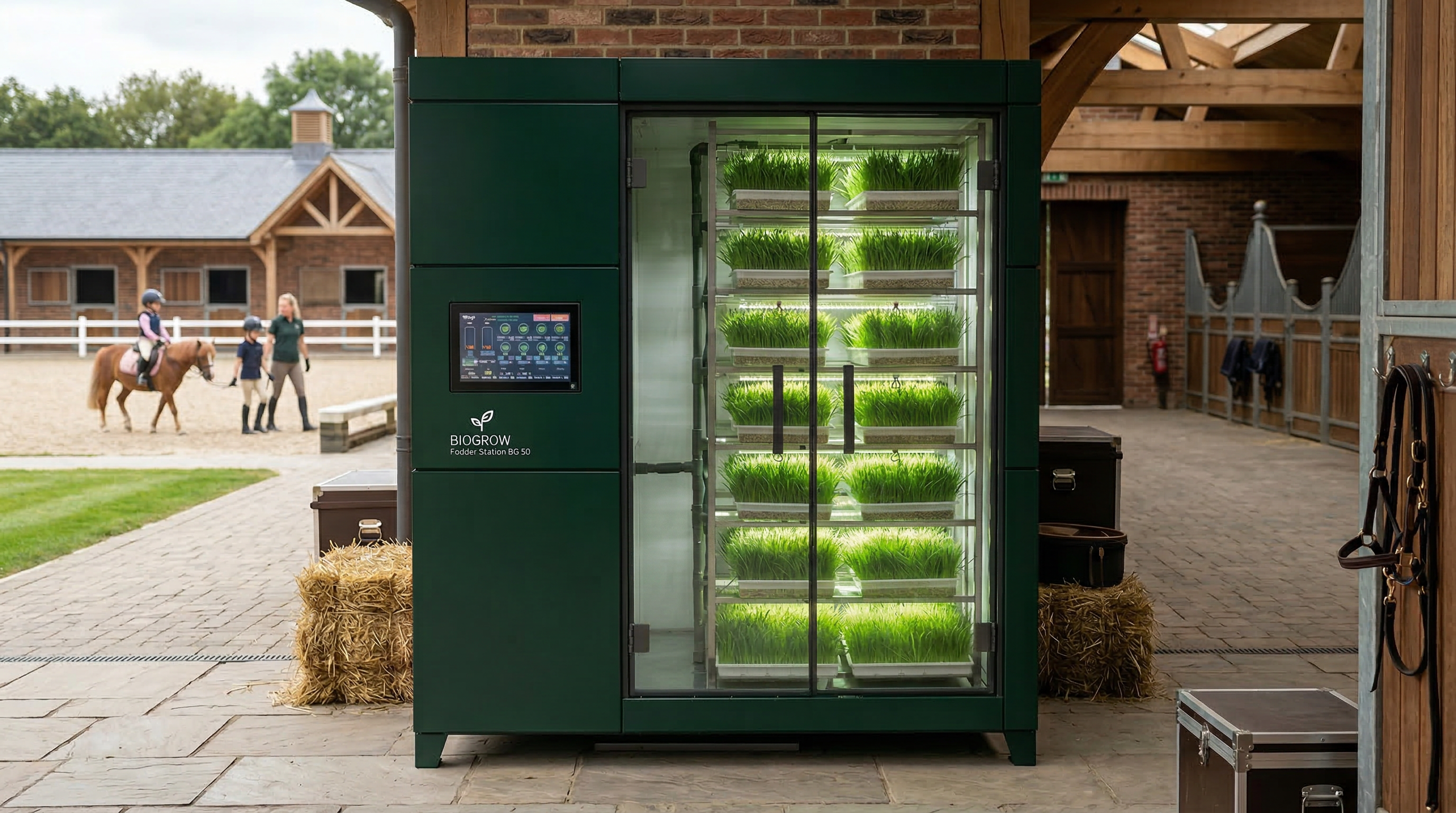
BGR50
Compact system ideal for small operations. Produces up to 50kg of fresh fodder daily.
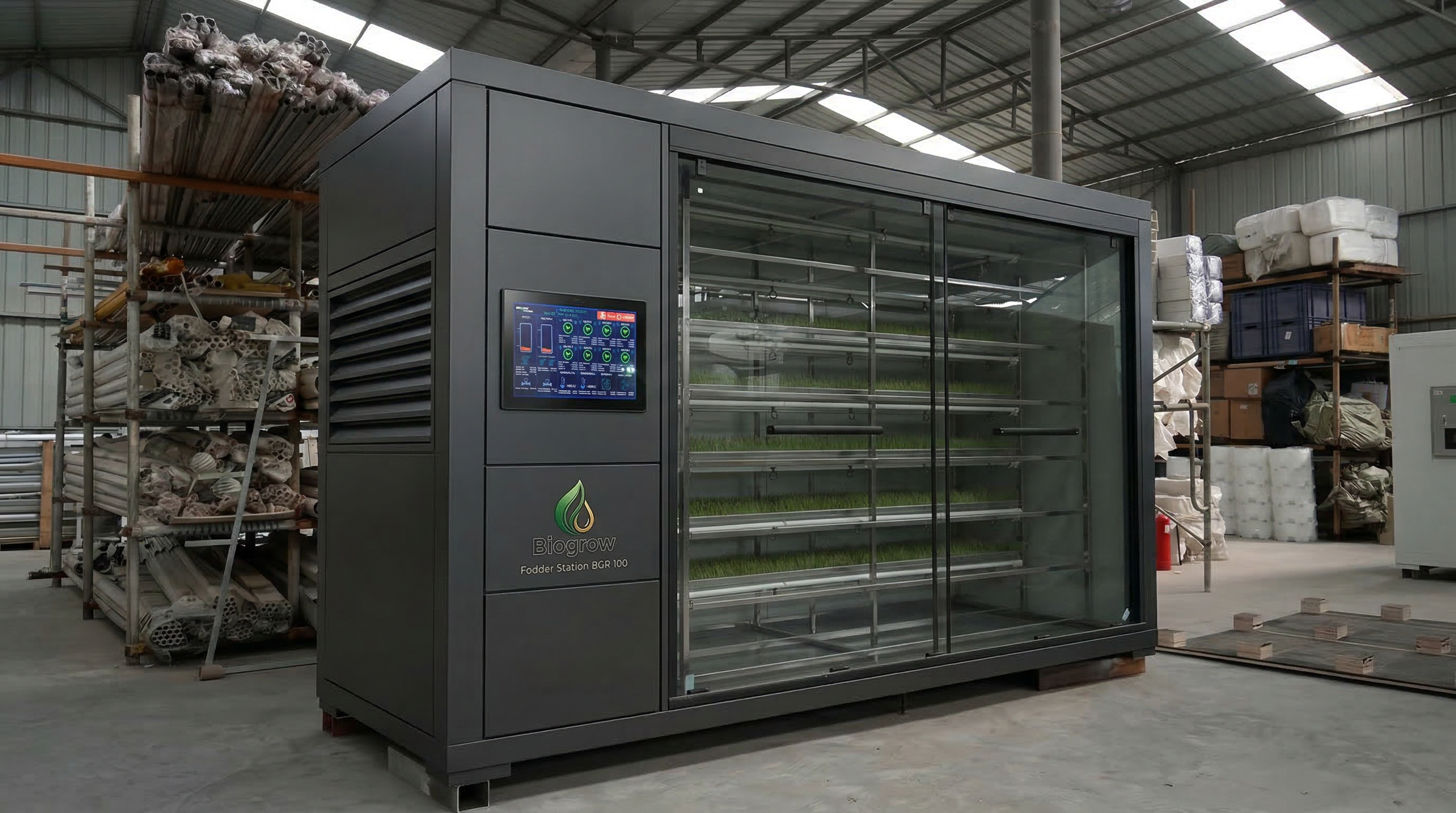
BGR100
The standard for medium facilities. High efficiency yielding 100kg daily.
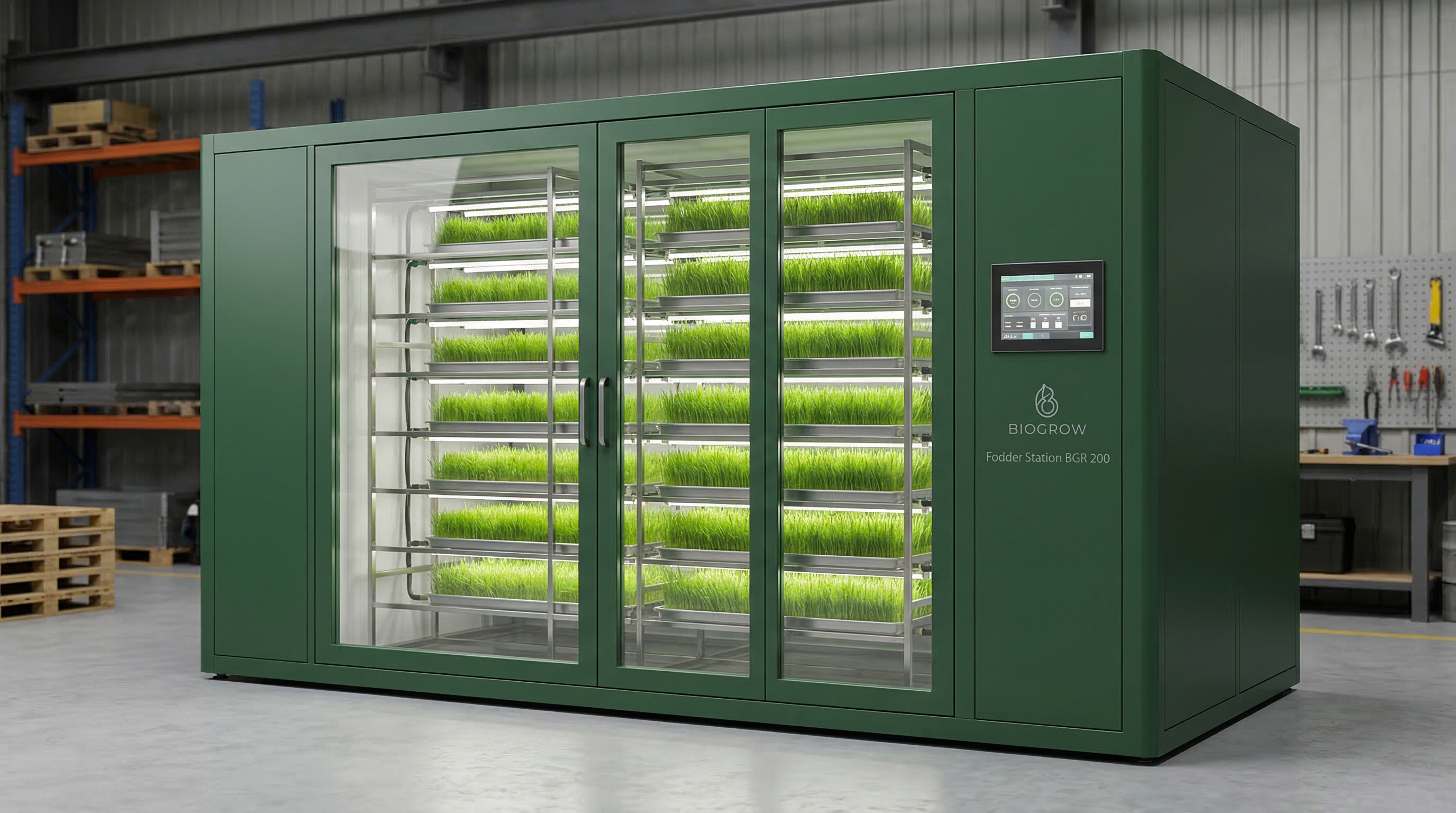
BGR200
Industrial scale production. Automated climate control for 200kg daily yield.
Sustainability & Future-Proofing
Hydroponic fodder production represents a strategic solution for animal nutrition in a world facing increasing challenges related to water scarcity, soil degradation, climate change, and global food security. Unlike traditional agricultural systems, hydroponic cultivation enables the year-round production of high-quality fresh biomass while using only a fraction of the natural resources typically required.
Resource Efficiency
One of the most significant advantages of hydroponic fodder is its exceptional water-use efficiency. Through recirculating irrigation systems and precise environmental control, water consumption can be reduced by up to 90–95% compared to traditional field cultivation. The controlled environment also eliminates losses caused by evaporation, runoff, and soil infiltration.
Additionally, hydroponic systems require minimal agricultural land, making it possible to produce large volumes of fresh fodder in compact spaces using vertical growing structures.
Climate-Resilient
Traditional agriculture is dependent on unpredictable weather. Hydroponic systems operate in controlled environments, allowing optimal growing conditions year-round.
- 365-day production cycles
- Predictable and consistent yields
- Elimination of climate crop risks
- Independence from seasons
Reduced Footprint
Hydroponic fodder systems contribute significantly to reducing the environmental footprint of livestock production:
- Drastically lower water consumption
- No need for pesticides or herbicides
- Reduced feed transportation
- Local, on-site feed production
Food Security
As the global population grows, pressure on agriculture intensifies. Hydroponic technology is capable of producing feed in a sustainable and resilient way.
Its ability to generate high-quality biomass in limited space positions it as a strategic infrastructure for securing the food supply of the coming decades.